
In-house teams are handed a smaller budget than the previous year, every year, along with a long list of priorities. General Counsel and legal ops teams are asked to do more with less. Outside counsel spend accounts for the largest share of a legal department’s budget, and controlling it is harder than GCs would like to admit.
While it is controlling outside counsel spend can be unmanageable with growing legal work, it is achievable without compromising on the quality of the legal work. It requires clarity on here money is going, structured processes to control how it is spent, and the right tools to make these processes sustainable.
In this blog, we will walk you through what legal spend management actually means, why the outside counsel costs keep rising, and what are some strategies that in-house teams can use to bring the costs under control.
What Is Legal Spend Management?
Legal spend management focuses on how in-house legal departments plan, track, and control their legal costs, especially those tied to outside counsel. It includes things like setting billing guidelines, reviewing invoices, selecting law firms, and keeping an eye on legal budgets over time.
For smaller legal teams, spend management may be relatively straightforward. But for mid-size to large legal departments, the complexity grows quickly. Legal departments may process thousands of invoices from outside counsel every year, and without structured legal spend management processes in place, they risk errors, wasted time, and overpayments.
Beyond controlling costs, legal spend management serves another important function. It gives legal teams the data they need to demonstrate value to the broader organization. When leadership asks questions, General Counsel are able to show exactly how much was spent, on what, and what outcomes were achieved.
Effective legal spend management is an ongoing operational discipline that touches how work is assigned, how firms are managed, how invoices are reviewed, and how performance is measured.
Why Outside Counsel Costs Keep Rising
Understanding why outside counsel costs increase year over year is an important context for any cost management strategy. The pressure is not simply a matter of firms charging more. There are structural factors at play that in-house teams need to be aware of.
Rate inflation has been significant and sustained. Partner rates rose over 6% from 2022 to the first half of 2024, and by a staggering 23% among the largest firms for litigation work during the same period. For legal departments working with top-tier firms on complex matters, this rate inflation compounds quickly.
Partner rates rose over 6% from 2022 to the first half of 2024, and by a staggering 23% among the largest firms for litigation work during the same period. For legal departments working with top-tier firms on complex matters, this rate inflation in legal services compounds quickly.
The hourly billing model misaligns incentives.
Under a traditional hourly structure, a firm’s revenue grows with the number of hours billed, not with the efficiency or quality of the outcome delivered. This does not imply bad faith on the part of outside counsel. It is a structural issue that naturally creates upward pressure on costs over time.
Lack of visibility enables cost creep.
When in-house teams lack visibility into invoice details, rate changes often go unchallenged, non-compliant billing slips through, and budgets can be exceeded without anyone noticing early. About 50% of legal departments believe they are being overbilled, but the average team spends only four hours a month reviewing invoices. In most cases, that is not enough to catch the problem, according to recent legal spend survey results.
Work is often sent to outside counsel by default.
Many legal departments have not systematically evaluated which categories of work genuinely require external legal expertise and which could be handled more cost-effectively in-house or through alternative providers. Without that evaluation, outside counsel ends up handling work that does not need to be there.
Core Strategies to Reduce Outside Counsel Spend
1. Establish Full Visibility Into Legal Spend
A cost management strategy only works if you have a clear picture of current spending. Starting with reviewing invoices from the past 12 months is a good place to start, with invoices organized by firm, matter type, practice area, and the tasks being billed.
This review typically helps find patterns that are not obvious at the aggregate level. Certain firms may be billing for work that lower-cost resources could handle. Multiple firms may be performing the same type of work at significantly different rates. A material portion of invoices may include charges for block billing, vague task descriptions, or administrative work billed at attorney rates.
Centralizing this data in a legal spend management platform, rather than relying on spreadsheets and email records, is what makes the visibility sustainable and actionable over time.
2. Set and Enforce Legal Billing Guidelines
Legal billing guidelines define exactly what an in-house team will and will not pay for. They are one of the most direct and cost-effective tools available, yet they remain underused. Nearly 60% of in-house teams do not have outside counsel guidelines in place. According to the 2025 legal spend survey results, even when guidelines exist, 87% of teams say enforcement is limited to the most obvious violations.
If you see well-drafted outside counsel guidelines, you will find that they usually cover several areas. They may include restrictions on billing for first-year associates without prior approval, requirements for itemized billing instead of block billing, reduced rates for travel time, limits on administrative tasks billed at attorney rates, and caps on certain expenses.
Enforcing these guidelines is essential. Applying OGCs to every invoice helps legal departments avoid paying for work they do not consider valuable. Using a legal spend management software also facilitates the process by flagging non-compliant line items, making consistent enforcement feasible even when a high volume of invoices arrives.
3. Consolidate Your Law Firm Panel
Working with a large number of outside firms simultaneously spreads volume thin and weakens negotiating leverage across the board. Consolidating to a smaller panel of preferred firms changes that dynamic. In exchange for a higher and more predictable share of work, firms are typically willing to offer better rates, annual rate increase caps, and more flexible fee structures.
A panel program involves consolidating the outside counsel a company works with and choosing a smaller number of firms to send the majority of work to. In return, firms offer better terms, such as alternative fee arrangements, locked rate increases, or volume discounts.

4. Negotiate Rates Using Data
Many rate negotiations proceed based on relationships and precedent rather than market data. A firm proposes an increase, which appears modest in isolation, and it is accepted without a strong basis for comparison. With time, these compounds are converted into rates that are valued above market.
When in-house teams have reliable benchmarking data, it helps them gain better control over negotiations, allowing them to leverage comprehensive information and maintain consistency. This ensures that firms understand the impact of their pricing decisions on work allocation.
Pushing back on rate increases is just the starting point. In-house teams can also go after volume discounts based on annual spend, early payment deals, multi-year rate freezes, and staffing structures that lower the average hourly cost by mixing seniority levels based on what each matter actually needs.
5. Adopt Alternative Fee Arrangements
Alternative fee arrangements (AFAs) move billing away from a pure hourly model and help align outside counsel’s incentives with yours. The main structures worth knowing: fixed fees for clearly scoped work, capped fees that use hourly billing up to a set ceiling, success-based fees linked to specific outcomes, and retainers for steady, ongoing matters.
Not every matter is a good fit, though. Complex or first-of-its-kind work often still needs hourly billing because the scope just isn’t predictable enough to price upfront. For routine, repeatable matters, however, fixed or capped arrangements bring costs down and make budgets far more manageable.
In practice, start by identifying which matters in your current mix follow a consistent pattern. Then open pricing discussions with your preferred firms around exactly those categories and keep it targeted rather than broad.
6. Right-Source Work to the Appropriate Resource
A significant share of outside counsel spend is driven not by the complexity of the work, but by the lack of a deliberate resourcing decision. When there is no clear framework for deciding what should go to outside counsel and what should stay in-house or go to an alternative provider, outside counsel often becomes the default.
Recent industry surveys show that 66% of legal departments are bringing more work in-house as a primary cost-control strategy. Another 39% report shifting work from larger law firms to smaller firms. This shows how sophisticated legal departments are in thinking about work allocation.
In-house counsel can handle many day-to-day matters, such as inbound and outbound commercial contracts, product-related legal advice, and regulatory compliance. Handling these internally reduces the need to involve outside counsel in routine work.
For work that falls between in-house capacity and full-service law firm complexity, alternative legal service providers can be a practical middle option. Alternative Legal Service Providers (ALSPs) are no longer used only for e-discovery. Many legal teams now rely on them for attorney contracting, staff augmentation, and contract management.
7. Conduct Structured Invoice Reviews
Billing guidelines and preferred firm relationships help reduce invoice errors, but they rarely eliminate them. A structured review process is still necessary to catch what slips through.
Reviewing every invoice line by line is rarely practical. Instead, many legal departments focus detailed reviews on high-value matters and high-volume firms. Legal spend management software can also help by automatically flagging common billing issues.
Over time, teams can track adjustments and reductions to identify recurring patterns by firm. When issues appear repeatedly, direct feedback to outside counsel usually resolves the problem. Most billing discrepancies come from habit rather than intent.
8. Invest in Legal Spend Management Software
Every strategy mentioned above, from enforcing billing guidelines to tracking rate changes across firms, depends on having reliable data and consistent processes. Doing that manually across dozens of matters and multiple outside firms is where most legal departments lose ground.
Legal spend management software brings all of it into one place. It gives teams real-time visibility into where the budget is going, automates invoice review workflows, tracks outside counsel performance, and generates reporting that leadership can actually use. The result is less time spent on administrative work and more control over how legal dollars are spent.
For in-house teams that are serious about reducing outside counsel costs, software is not an optional add-on. It is what makes every other strategy on this list sustainable over time.
How MatterSuite Helps
Reading through the strategies above, a pattern emerges. Each one requires data, consistency, and follow-through across dozens of matters, multiple firms, and hundreds of invoices every year. That is very difficult to sustain manually. MatterSuite, as legal software for in-house teams, gives teams the infrastructure to make these strategies work in practice, not just in principle.
Spend Visibility
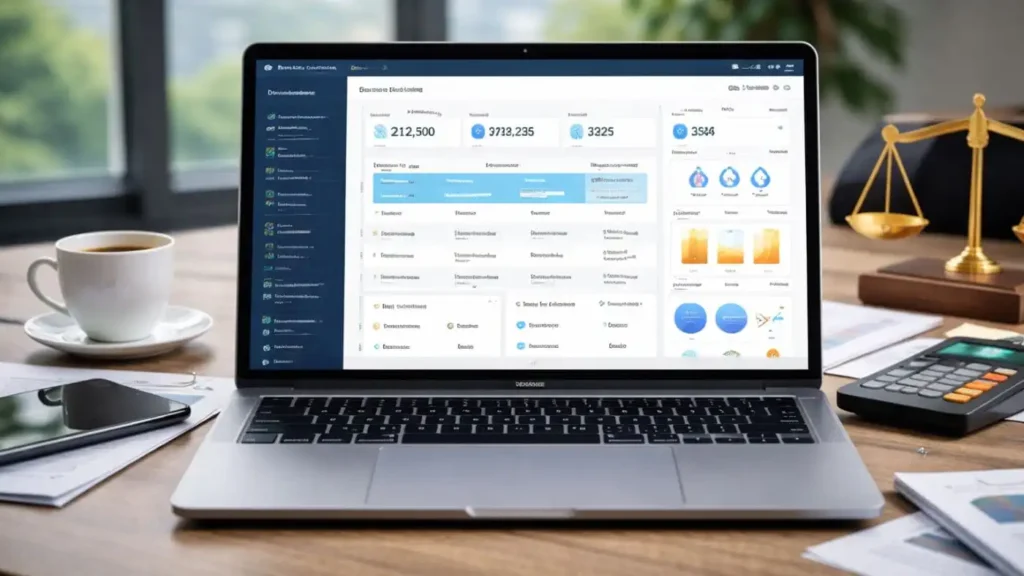
MatterSuite’s dashboard shows exactly where legal budget is going, broken down by matter, firm, practice area, and timekeeper. No more piecing together data from spreadsheets and email chains.
Billing Guideline Enforcement
MatterBilling applies rule-based reductions and rejections against your internal billing policies, with LEDES and UTBMS compliance enforced across all vendor submissions.
Outside Counsel Management
The CoCounsel portal lets in-house teams assign tasks, track deadlines, monitor performance, and review billing for all outside firms in one place. Rate cards and timekeeper rates are stored per firm, giving teams a clear picture of what they are paying and to whom.
Rate Negotiation Support
MatterSuite tracks billing rates and spend history by firm over time. When it is time to push back on a rate increase, teams have the data to back it up rather than going into the conversation blind.
Alternative Fee Arrangement Tracking
Budget caps and threshold alerts can be set at the matter level. Whether a matter is billed hourly, at a flat fee, or under a capped arrangement, MatterSuite tracks it and alerts the team before limits are breached.
Smarter Work Allocation
Matter intake workflows in MatterSuite auto-route incoming requests based on practice area, complexity, and team workload. This makes it easier to identify what actually needs to go to outside counsel versus what can stay in-house.
Invoice Review at Scale
Invoices can be uploaded in bulk via LEDES or Excel. Violations are flagged automatically, and the approve or reject process happens inside the platform with full audit trails. Far less manual work, far more consistency.
Leadership Reporting
MatterSuite generates spend trend reports, budget variance summaries, and outside counsel performance data, all exportable in PDF or Excel. General Counsel and finance leadership get clear, data-backed reporting without the team having to build it from scratch each time.
Conclusion
Managing outside counsel costs is less about aggressive cost-cutting and more about creating structure around how work is assigned, billed, and reviewed. When those systems are unclear, spending tends to grow quietly over time. Legal departments that manage this well treat it as an ongoing operational discipline. They revisit billing guidelines as the business evolves, review firm performance regularly, and evaluate rate increases using data rather than assumptions.
Clear visibility into legal spend makes these decisions easier. Once a department understands where money is actually going, it becomes much simpler to adjust staffing models, enforce billing expectations, and plan budgets with confidence. Over time, these operational improvements help legal teams control costs while still ensuring the business gets the legal support it needs.